Planning to book a Ko Samui yoga retreat? Compare multi-day packages vs drop-in classes, pricing ranges, inclusions, and official booking channels.
What is a Ko Samui yoga retreat?
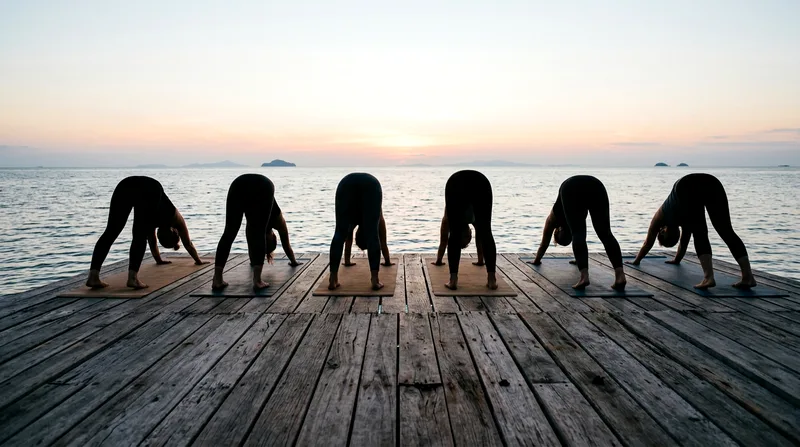
A Ko Samui yoga retreat is a structured stay — usually at a dedicated wellness resort or studio-with-rooms — that combines daily yoga instruction with accommodation, meals, and often spa or detox add-ons. It's different from simply taking a yoga class on holiday. You're booking a programme, not a single session, and that distinction matters when you compare prices.
The island has built a genuine wellness industry around this, concentrated mostly in quieter areas like Bophut and the hills above Lamai Beach, away from the party strip of Chaweng Beach. That geography is deliberate — retreat operators want silence in the early morning and no bass from beach bars at 11pm. If you book a retreat room expecting Chaweng's energy, you'll be disappointed; conversely, if you want yoga and nightlife in the same trip, you'll need to split your stay between two areas.
Compared with Koh Phangan, which has a denser concentration of long-term yoga teacher training courses and a more bohemian, budget-backpacker wellness scene, Ko Samui's retreats skew toward shorter, more polished packages aimed at travelers with less time and more budget flexibility. Phuket also has upscale wellness resorts, but its retreat market is smaller and more scattered across the island, making Ko Samui the easier one-stop choice if yoga is your main reason for the trip.
Retreat formats and duration
Most Ko Samui retreats run in fixed blocks: 3 days/2 nights, 5 days/4 nights, or 7 days/6 nights, with some operators offering 10- or 14-day intensive programmes aimed at deeper detox or teacher-training-adjacent work. Shorter formats (3-4 days) suit a stopover or a add-on to a beach holiday; longer formats suit travelers making wellness the entire purpose of the trip. A few studios also run single-day intensive workshops — not quite a retreat, but more structured than a drop-in class, often themed around a particular style like Yin or Hatha.
Typical retreat structure
A typical day starts with Hatha or Vinyasa practice around 7-8am, before the heat sets in, followed by a plant-based or health-focused breakfast. Afternoons often include a second, gentler session, a workshop (breathwork, meditation, or alignment), and free time for the beach or spa treatments. Evening sessions, when offered, tend to be restorative or Yin-style. Most programmes build in at least one full rest day on longer retreats — don't book a 7-day package expecting intensive practice every single day, because reputable operators won't schedule it that way.
Multi-day retreats vs drop-in classes
This is the real decision point, and it comes down to how much of your trip you want yoga to occupy. A multi-day retreat is a commitment — financially and logistically — while a drop-in class is a low-risk way to sample the island's studios without restructuring your whole itinerary.
I'd lean toward drop-ins for anyone staying on Ko Samui under five days total, especially if you're also trying to fit in a boat trip to Ang Thong Marine Park or a day trip to Koh Tao for diving. Packing a full retreat schedule alongside island-hopping is a good way to end up exhausted rather than relaxed, which defeats the point.
Multi-day retreats cost more and demand a fixed schedule, while drop-in classes offer flexibility at a fraction of the price.
Ko Samui yoga retreat options compared: duration, cost, and who they suit
| Option | Typical Duration | Approx. Cost (USD) | Meals Included | Best For |
|---|---|---|---|---|
| Drop-in class | 60-90 min | $11-20 per class | No | Short stays, flexible schedules |
| Class punch card (5-10) | 1-3 weeks use | $50-150 total | No | Repeat visitors, no fixed plan |
| 3-day mini retreat | 2 nights | $150-350 total | Yes | Testing the retreat format |
| 5-day retreat | 4 nights | $400-700 total | Yes | First full retreat experience |
| 7-day retreat | 6 nights | $600-1,500 total | Yes | Dedicated wellness travelers |
| Luxury 7-day retreat | 6 nights | $2,000+ total | Yes, plus spa | High-budget, full-service stays |
Figures are approximate and reflect widely published ranges; always confirm current rates on the operator's official site before booking.
Full retreat packages explained
Published rates for multi-day Ko Samui retreats commonly range from roughly $60-120 per night for mid-range programmes (shared or standard rooms, 2 classes daily, meals included) up to $200-400+ per night at high-end wellness resorts with private villas, spa treatments, and nutrition consultations bundled in. A 5-night mid-range package might total somewhere around $400-700 per person; luxury equivalents can run well past $2,000. These figures move constantly and vary by season, so treat them as a planning range only — confirm current pricing directly with the retreat operator before booking.
Single class options
Drop-in classes at Ko Samui studios typically cost somewhere in the 400-700 THB range per session (roughly $11-20), with some beachfront or boutique studios charging more. Many studios sell 5- or 10-class punch cards at a discount, which is worth it if you're staying a week or more and want flexibility without committing to a fixed retreat schedule. This is the better option if you already have accommodation booked elsewhere — a guesthouse in Lamai or a hotel in Bophut — and just want to add yoga into existing plans.
What's included and excluded
Retreat listings can be vague about what you're actually paying for, and this is where people get caught out. Read the inclusions list line by line before you pay a deposit — "wellness programme" on a sales page can mean anything from a single massage to unlimited spa access.
Accommodation and meals
Most packaged retreats include accommodation (shared dorm, private room, or villa depending on tier) and meals — usually vegetarian or plant-based, sometimes with fish options. Check whether meals cover all three daily or just breakfast and one other; some mid-range retreats only guarantee breakfast and dinner, leaving lunch as an optional extra or self-funded. Airport transfers from Samui International Airport (USM) are sometimes included on higher-tier packages but rarely on budget ones — confirm this separately, because a taxi from the airport to Bophut or Lamai can add $15-25 to your trip if you're not expecting it.
Instruction and extras
Core yoga instruction (typically 1-2 classes daily, often Vinyasa or Hatha) is standard across almost all packages. What's usually excluded: one-on-one coaching, specialty spa treatments like deep-tissue or Thai massage packages, detox programmes (juice cleanses, colonics), and excursions off-property. Look for instructor credentials — reputable studios will state Yoga Alliance registration (typically RYT-200 or RYT-500) for their teachers. If a retreat's website doesn't mention this at all, it's not necessarily a dealbreaker, but it's worth emailing to ask before you commit several hundred dollars.
Where and how to book
Booking a Ko Samui yoga retreat is straightforward, but the channel you use affects your cancellation protection and how easily you can ask questions beforehand.
Official retreat operators
Go to the retreat or resort's own website first. Established operators publish full daily schedules, teacher bios, room photos, and cancellation policies — if a site is missing any of these, treat that as a caution sign. Email them directly with specific questions (class pace for beginners, heat tolerance, dietary restrictions) before paying anything; a slow or vague response to a pre-booking question is a reasonable predictor of how responsive they'll be once you've paid.
Direct booking channels
Many retreats now also list through aggregator booking platforms, which can offer easier cancellation and refund tracking than a direct bank transfer to an overseas account. For drop-in classes, you typically just show up 10-15 minutes early and pay at the studio — no advance booking required at most Chaweng or Bophut studios, though popular morning classes in high season (December-February) can fill up, so it's worth calling ahead. Always check current prices and availability directly on the official site or booking platform before finalizing — don't rely on a price you saw months earlier.
Is it worth it by traveller type
Value depends entirely on who's asking. A 25-year-old backpacker and a 65-year-old retiree get very different returns from the same 7-day package, so match the format to your actual travel style rather than what looks good on a retreat's marketing page.
Families with young kids are generally the worst fit for a structured multi-day retreat — most programmes assume quiet mornings and adult-paced schedules, and few retreat centers offer childcare. If you're traveling with children, a drop-in family-friendly class (some Bophut studios run these) makes more sense than a full package.
Solo travellers
Solo travelers are the best-matched audience for full retreat packages. Many Ko Samui retreats are built around solo guests — single-occupancy rooms are standard (though usually priced at a premium over shared rooms), and the structured schedule solves the "what do I do with my day" problem that solo travel sometimes creates. A 5-day retreat gives you built-in social contact at meals without obligating you to organize your own itinerary, which is a real advantage over winging it with drop-in classes at three different studios.
Senior and wellness-focused guests
Senior travelers should ask specifically about class intensity before booking — "yoga retreat" covers everything from gentle chair-assisted Hatha to sweat-heavy Vinyasa flows, and the marketing photos rarely make the difference obvious. Email the operator and ask directly whether modifications are offered for limited mobility or joint issues. Hua Hin's wellness resorts are sometimes marketed as more senior-friendly due to cooler weather and flatter terrain, but Ko Samui retreats in Bophut and quieter parts of Lamai are equally manageable if you confirm class pacing in advance and avoid properties advertising "intensive" or "detox-focused" programmes, which tend to be physically demanding.
Frequently asked questions
What's the difference between a retreat and a drop-in class?
A retreat is a multi-day package including accommodation, meals, and a fixed schedule of 1-2 classes daily, typically costing $150-700+ depending on length and tier. A drop-in class is a single session, usually 400-700 THB ($11-20), with no accommodation or meal commitment — you simply show up and pay at the studio.
Do Ko Samui yoga retreats include accommodation and meals?
Most packaged multi-day retreats do include both, but coverage varies — some only guarantee breakfast and dinner, leaving lunch optional. Airport transfers are sometimes included on higher-tier packages but rarely on budget ones. Always check the specific inclusions list on the operator's site rather than assuming full board.
Are yoga retreats suitable for beginners?
Yes, most Ko Samui retreats welcome beginners and build Hatha or gentle Vinyasa into morning sessions specifically for mixed-level groups. That said, "intensive" or "detox" branded retreats tend to assume more experience and physical stamina — if you're new to yoga, choose a standard or beginner-labeled programme and ask the operator about class pacing before booking.
How far in advance should I book a retreat?
Book 2-3 months ahead for travel during high season (December-February), when popular retreat centers fill up and flights into Samui International Airport get pricier. For shoulder season (April-June, September-November), 3-4 weeks' notice is usually enough, though single-occupancy rooms sell out faster than shared rooms year-round.
Can I book a single class without committing to a full retreat?
Yes — most studios in Chaweng, Lamai, and Bophut operate as standard drop-in yoga studios alongside any retreat programmes they run, with no advance booking required for most classes. This is the better option if you already have accommodation sorted and just want a few sessions rather than a structured multi-day commitment.