Ko Samui detox retreat vs spa day compared: cost, time, results and who should book each. A clear verdict for every type of traveler.
Options at a Glance
Ko Samui runs two very different wellness economies side by side. One is built around the day-tripper or hotel guest who wants a few hours of pampering between beach time and dinner. The other is built around people who fly to Thailand specifically to overhaul their eating, sleep and stress habits for a week or more. Both exist in large numbers on the island — Chaweng and Bophut alone have dozens of spas, while the quieter southern and western coastlines host several dedicated health resorts that have built international reputations over the past two decades.
The confusion starts because both get marketed under the umbrella term "wellness," which tells you almost nothing about what you'll actually experience. A spa day is a transaction: you pay, you receive a service, you leave. A detox retreat is a programme: you commit to a schedule, follow dietary restrictions, and often can't leave the property's routine even if you wanted to for the first couple of days.
If you're weighing Ko Samui against Koh Phangan or Koh Tao for wellness tourism, it's worth knowing Samui has pulled ahead specifically because of this retreat infrastructure — chefs trained in raw food and juice fasting, in-house naturopaths, colonics facilities, and yoga programming that smaller islands haven't built out to the same degree. Koh Phangan has some competing detox operations near Haad Rin, but Samui's airport access (direct flights from Bangkok, no ferry required) makes it the easier pick if you're flying in specifically for a retreat rather than combining it with an island-hopping trip.
A spa day costs a fraction of a detox retreat but delivers only short-term relaxation, while a retreat demands real time and money for a deeper physical reset.
Ko Samui detox retreat vs spa day: cost, time and results compared
| Option | Typical Cost (USD) | Time Required | Best Result | Flexibility |
|---|---|---|---|---|
| Hotel spa package | $30-90 | 2-4 hours | Short-term relaxation, muscle relief | High — book same day |
| Standalone spa village | $20-60 | 1-3 hours | Budget pampering, basic treatments | High — walk-ins common |
| 3-night detox programme | $400-900 | 3 days, full schedule | Initial reset, better sleep | Low — fixed menu/schedule |
| 7-night detox/fasting retreat | $900-2,500 | 7 days, full schedule | Noticeable weight/energy change | Low — strict protocol |
| 14-night health retreat | $2,000-5,000+ | 14 days, full schedule | Habit change, deeper cleanse | Very low — medical oversight |
Figures are broad, commonly cited ranges for Ko Samui wellness operators; always confirm current pricing and inclusions directly before booking.
What a spa day includes
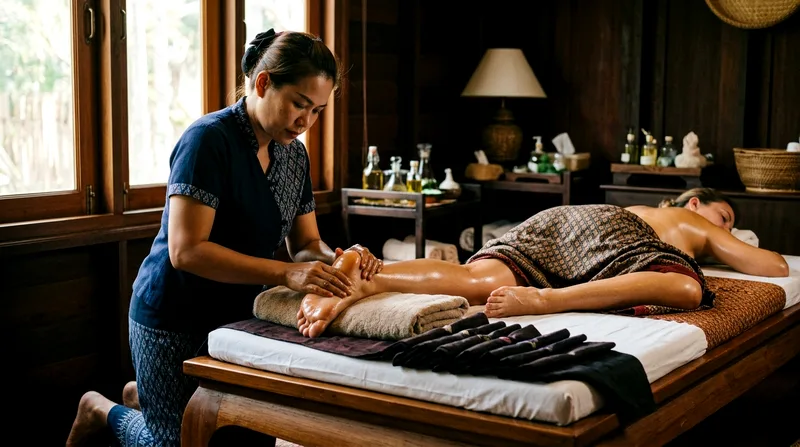
A standard Ko Samui spa day runs two to four hours and typically bundles a Thai massage or oil massage with a scrub, wrap, or facial. Many beachfront resorts sell half-day packages that add a light healthy lunch and pool or garden access for the afternoon. You book it like a restaurant reservation — pick a time slot, show up, pay at the end or in advance online. There's no dietary prep required beforehand and no commitment beyond that single visit. Some properties in Bophut and Lamai offer standalone spa villages not attached to any hotel, which tend to be cheaper than resort spas but vary more in treatment-room quality.
What a detox retreat includes
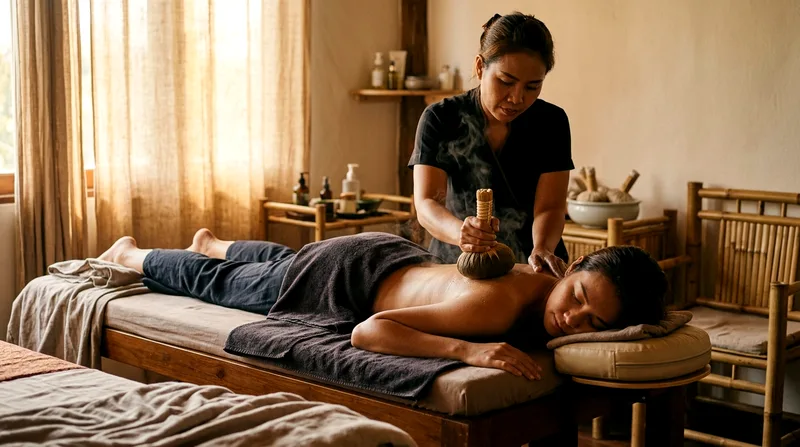
A detox retreat is a packaged stay, usually three, seven, or fourteen nights, built around a specific protocol — juice fasting, raw food, intermittent fasting, or colon cleansing programmes paired with yoga, meditation and sometimes colonics or ozone therapy. Meals (or juices, depending on the fasting level chosen) are prescribed, not chosen from a menu. Accommodation, daily classes, consultations with an in-house naturopath, and a set number of spa or bodywork treatments are usually bundled into one price. You don't wander off-site for a burger halfway through — most reputable programmes ask you to stay within the property's dietary structure for the full stay, which is the entire point and also the hardest part.
Cost: Spa Day vs Detox Retreat
The price gap between these two options isn't small — it's an order of magnitude. A spa day is an impulse purchase; a detox retreat is a budget line you plan for months in advance. That gap is exactly why so many travelers end up doing a spa afternoon on a whim and only booking a proper retreat on a second or third trip to Samui, once they've decided the island (and the concept) is worth the bigger spend.
Compare this to Phuket, where spa pricing runs similar but the detox retreat scene is thinner and more scattered across the island. Samui's concentration of dedicated health resorts, particularly around Lamai and the quieter west coast, gives you more competition and more programme tiers to choose from at a given Ko Samui wellness retreat cost than you'd find in Krabi or on Koh Samet, where the market just isn't mature enough.
Typical spa day pricing
Expect $20-40 for a one-hour Thai or oil massage at a standalone spa, and $50-90 for a half-day resort package with multiple treatments and lunch included. Hotel spas charge a premium of maybe 30-50% over standalone venues for the same massage, largely for the ambience and air-conditioning. If you're on a tight budget, standalone spas in Maenam or Bophut offer near-identical quality for less — the markup at five-star resort spas buys you a nicer waiting room, not necessarily better hands.
Detox retreat investment range
A Ko Samui health retreat price generally starts around $400 for a short three-night introductory programme and climbs past $2,500 for a full week at an established fasting or medical detox centre, with two-week medically supervised stays reaching $3,000-5,000 or more. That figure usually covers accommodation, juices or meals, daily classes, and a handful of therapies — but extras like colonics sessions, additional massages, or blood panel testing are often billed separately. Budget retreats exist, but be cautious: very cheap multi-day fasting programmes sometimes cut corners on medical supervision, which matters more than people assume once you're several days into a juice-only protocol.
Time and Commitment Required
Time is really the deciding factor here, more than money. A spa day asks for an afternoon. A detox retreat asks for a chunk of your actual holiday — or, for many visitors, the entire trip. That's a genuine trade-off if you're also trying to see Ko Samui's beaches, do a boat trip to Ang Thong Marine Park, or island-hop to Koh Tao for diving. You can't easily combine a strict seven-night fasting programme with a busy sightseeing itinerary; the whole model depends on you staying put.
Spa day duration and flexibility
Spa days slot into any schedule. Book a 2pm slot, be done by 5pm, and still make it to Fisherman's Village for dinner. Most spas take same-day bookings and many hotels let guests book through the concierge the morning of. This flexibility is the main reason spa days outnumber retreat bookings by a wide margin on the island — they fit around a holiday rather than becoming the holiday.
Retreat length and structure
Retreats run on fixed calendars — most properties only start new fasting cohorts on specific days of the week, so you can't just show up and begin that afternoon. A typical structure means early wake-up calls, scheduled juices every two hours, a midday consultation, afternoon yoga, and lights out early. There's very little free time built in during the first few days, which surprises guests who imagined a retreat as lounging with the occasional green juice.
Results and What to Expect
Here's where expectations need calibrating. A spa day will leave you looser, calmer, and probably sleeping better that one night — and that's genuinely valuable after a long flight or a few too many Chang beers on Chaweng beach. But it isn't going to move the needle on anything chronic. A detox retreat, done properly over seven to fourteen days, produces measurable change: better sleep patterns, reduced bloating, clearer skin, sometimes several kilos of water-weight loss, and — the part people undersell — a genuine mental reset from being off alcohol, sugar and screens for a stretch.
Immediate spa benefits
Expect loosened muscles, lowered stress hormones for a few hours, and improved circulation immediately after a massage or scrub. These effects are real but short-lived — typically fading within a day or two unless you follow up with more sessions. Think of a spa day as maintenance, not repair.
Detox programme outcomes
Fasting programme results vary by protocol and individual, but common outcomes reported by guests at Samui health resorts include reduced bloating within 48 hours, noticeable energy shifts around day four or five (often preceded by a rough "detox headache" phase), and weight loss in the 2-5kg range over a week, much of it water and reduced inflammation rather than fat loss. Longer-term lifestyle change — the kind that outlasts the holiday — depends far more on what you do when you get home than on the retreat itself.
Who Should Book Which
Families with young kids should lean spa day, full stop — most detox retreats don't accommodate children, and strict fasting protocols have no place in a family itinerary. Couples on a one-week beach holiday are usually better served booking a couples massage package and saving the retreat idea for a dedicated solo trip later, since a partner uninterested in juice fasting will make the whole experience harder to stick to.
Best for spa days
Spa days suit anyone combining Ko Samui with a wider Thailand trip — say, Phuket for nightlife, then Samui for a couple of relaxed days before flying home. They're also the right call for senior travelers who want physical relief (joint stiffness, travel fatigue) without the metabolic stress of fasting, and for solo travelers short on both time and budget who still want a wellness element to their trip.
Best for detox retreats
Detox retreats suit travelers who've specifically carved out a week or two with no other agenda — often solo, sometimes in pairs who are both committed. They also suit anyone coming off a period of heavy travel, poor diet, or burnout who wants a structured reset rather than willpower alone. If you've tried fasting apps or short diets at home and found you need external structure to stick with it, the retreat environment does that work for you.
The Verdict
If you're deciding between a Ko Samui detox retreat vs spa day purely on value for a short trip, book the spa day — it's cheap, flexible, and delivers exactly what it promises without derailing your holiday. If your goal is an actual physical and mental reset, and you can set aside seven days minimum with no guilt about missing the beach, the retreat earns its higher price. Compare that against Hua Hin or Pattaya, where the wellness scene skews more toward golf-resort spas than genuine fasting programmes, and Samui's retreat depth looks like the real draw — it's one of the few places in Thailand where the detox retreat industry is mature enough to trust with a two-week commitment. Don't split the difference by booking a three-night "mini-detox" expecting retreat-level results; three days is barely enough to get past the adjustment headache, let alone see real change. Check current prices and programme details for both options before you book, since inclusions shift between operators more than the marketing suggests.
Frequently asked questions
How much does a detox retreat cost in Ko Samui?
Expect roughly $400-900 for a short three-night introductory programme, $900-2,500 for a full week, and $2,000-5,000 or more for a medically supervised two-week stay. Prices usually include accommodation, meals or juices, and daily classes, but extras like colonics or lab testing often cost more — confirm exact inclusions before booking.
Can I do a spa day instead of a full detox retreat?
Yes, if your goal is short-term relaxation rather than a dietary or metabolic reset. A spa day won't replicate fasting results like reduced bloating or sustained energy shifts, but it's a legitimate choice if you only have an afternoon free or aren't ready to commit to a multi-day protocol.
How long should a detox retreat be to see results?
Most guests report noticeable changes — reduced bloating, better sleep, more stable energy — starting around day four or five, after an initial rough patch. Seven nights is generally considered the minimum for a meaningful reset; three-night programmes mostly just introduce you to the protocol.
What's included in a Ko Samui spa day?
A typical package includes a one- to two-hour massage, a scrub or facial, and sometimes a light meal and pool or garden access for the afternoon. Standalone spas may offer fewer extras but charge less than resort spas for comparable massage quality.
Is a detox retreat worth the investment?
It's worth it if you can commit a full week or more, follow the protocol without cheating, and you're going in for genuine lifestyle reset rather than quick weight loss. If you can't clear that much time or you're ambivalent about fasting, a spa day or shorter wellness package is the more honest spend.