Planning a Ko Samui Muay Thai camp? Compare drop-in sessions vs weekly packages, pricing tiers, and how to book beginner-friendly training.
What Is a Ko Samui Muay Thai Camp?
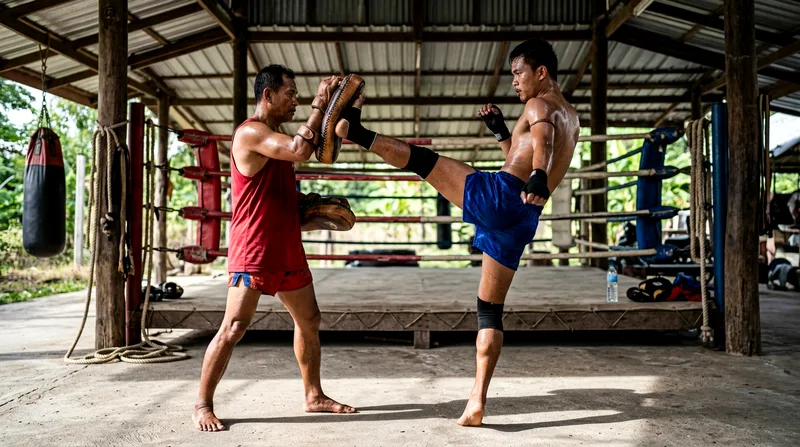
A Ko Samui Muay Thai camp is a dedicated training gym — usually open-air, often near the beach — that runs structured classes in Thailand's national combat sport for tourists, expats, and the occasional serious fighter. These aren't boxing gyms with a Thai theme bolted on. Most are run by Thai trainers who competed professionally, some still coaching their own fighters on the side between tourist classes.
The appeal for travelers is that you don't need any background in martial arts to walk in. Camps around Lamai Beach and Bophut cater heavily to beginners, with English-speaking assistant trainers bridging the gap when the head coach's English is limited. That said, don't expect a spa-like wellness experience — Muay Thai training is genuinely hard physical work, with pad sessions that will leave your shins bruised and your arms shaking by day three.
The camps range from basic, no-frills setups with a ring and some bags to larger operations with dormitory accommodation, a kitchen serving high-protein meals, and multiple training rings running simultaneous classes. Scale varies a lot, and so does price — a small gym charging per session looks nothing like a resort-style camp selling four-week residential packages.
Authentic Thai-style training for all levels
Expect classes split roughly by experience: a warm-up with skipping rope and shadow boxing, technique drills on pads with a trainer, then either sparring (optional, usually only for intermediate-plus students) or bag work and conditioning. Complete beginners are grouped separately from fighters prepping for an actual bout, so you won't be thrown in with someone training for a fight at a stadium in Chaweng or Bangkok. Gyms like Punch It Gym and Jun Muay Thai are known for being patient with first-timers, while places with a stronger fight-team presence, such as Wech Pinyo Muay Thai, can feel more intense even in beginner slots. Ask before booking if you're unsure which category you'll land in.
Typical session structure and duration
A standard class runs 1.5 to 2 hours, typically scheduled in the cooler parts of the day — early morning around 7–8am and late afternoon around 4–5pm — to avoid training through peak heat. Most gyms run two sessions daily, six days a week, with Sunday off or reduced. If you're new, one session a day is plenty; some week-long package holders burn out trying to attend both morning and evening classes from day one.
Session Types: Drop-In vs Weekly Packages
This is the real decision point, and it's worth thinking through before you land on Ko Samui rather than after. Drop-in sessions suit anyone unsure how their body will handle the training or anyone squeezing Muay Thai between beach days and boat trips to Koh Tao or Koh Phangan. Packages suit people who've done some training before, or who are staying put for a week or more and want a discount for committing.
Single classes typically run in the range of roughly 400–600 THB (about US$11–17) per session at smaller independent gyms, climbing higher at resort-style camps with better facilities. Weekly packages — usually 5 to 6 sessions — tend to work out noticeably cheaper per class than paying drop-in rates each time, sometimes 20–30% less per session. Monthly packages push the per-class cost down further, which is the whole point if you're staying on the island for an extended period.
One trade-off worth naming plainly: packages lock you in. If you tweak an ankle on day two of a 10-day package, there's often no refund or extension — policies vary by gym, so this is a direct question to ask before paying, not after.
Drop-in classes cost more per session but suit short stays, while weekly and monthly packages lower the per-class price for anyone committing to regular training.
Ko Samui Muay Thai training options compared: cost, commitment, and who it suits
| Option | Typical Cost (approx., THB) | Commitment | Best For |
|---|---|---|---|
| Single drop-in class | 400–600 | None | Tourists testing it out, short layovers |
| 5-session pack | 1,800–2,800 | 1 week | Beginners staying a week |
| Weekly unlimited | 2,500–3,500 | 7 days | Fitness-focused short stays |
| Monthly package | 7,000–10,000+ | 4 weeks | Long-stay visitors, serious trainees |
| Private 1-on-1 session | 800–1,500 per session | None | Injury concerns, faster technique focus |
Figures are widely cited approximate ranges across independent Samui gyms; always confirm current pricing directly with the camp before booking.
Single class pricing and flexibility
Drop-in pricing is the most flexible option and the one I'd recommend for first-timers, full stop. You pay as you go, you're not out serious money if the gym turns out to be a bad fit, and you can mix training with other Ko Samui activities — snorkeling trips, Ang Thong Marine Park tours, a day trip to the Big Buddha — without feeling like you're wasting a prepaid package. The downside is cost per session is highest this way, and some gyms prioritize package holders for prime time slots, leaving drop-ins with less popular class times.
Weekly and monthly package benefits
Weekly packages make sense once you know you like the coaching style and the gym's vibe. Besides the lower per-class rate, many camps throw in extras for package holders — hand wraps, use of gloves and shin guards, sometimes a gym t-shirt. Monthly packages are aimed at the serious crowd: people training twice daily for weight loss, fight prep, or simply treating Samui as a few weeks of structured fitness rather than a beach holiday. If that's your plan, ask about accommodation bundles too — several camps near Lamai Beach offer on-site or partner dorms specifically for this group.
What's Included and What Isn't
It's easy to assume a Muay Thai package covers everything once you're on-site. It usually doesn't, and the gap between "training package" and "full camp experience" catches people out, particularly those comparing Ko Samui prices to the all-inclusive camps more common on Koh Phangan or in Phuket.
Training, instruction, and facility access
What's reliably included: access to the ring and bags during class hours, a trainer holding pads for you, and basic use of communal equipment — gloves and shin guards, usually, though some smaller gyms expect you to bring or rent your own. Group classes are standard; private sessions cost extra and need to be arranged separately, often with a different trainer than the one running group classes. If authenticity matters to you, ask about the head trainer's fight record — gyms built around a former professional fighter, which several on Samui are, tend to teach more technically correct technique than tourist-oriented operations padding out a schedule.
Accommodation, meals, and extras
Accommodation and meals are rarely bundled into basic packages on Ko Samui — this is a meaningful difference from some camps in Phuket or on Koh Phangan that sell true residential fight-camp experiences with dorms and set meal plans included. On Samui, expect to book your own room separately, whether that's a guesthouse near Lamai Beach or a hotel in Chaweng with gym transfers. Some premium camps do offer bundled stay-and-train packages, but confirm exactly what's covered — "meals included" sometimes means one protein shake a day, not three cooked meals.
How to Book Your Training
Booking a Ko Samui Muay Thai class isn't complicated, but the channel you use affects price, flexibility, and how much you can ask before paying.
Official camp websites and direct contact
Contacting a gym directly — through its website, Facebook page, or a WhatsApp number listed on-site — is usually the cheapest route and the best way to ask specific questions: class size, trainer availability, whether sparring is mandatory. Gyms such as Bophut Muay Thai Gym and Thai Fighters typically respond quickly to direct messages, and walking in to book same-day or next-day is common practice across the island — you rarely need to book weeks ahead unless you want a specific private trainer. Payment on arrival in cash is standard; card payment isn't guaranteed everywhere, so carry Thai baht.
Third-party booking platforms
Platforms like Tripaneer (which runs BookMartialArts-style listings) and review sites like TripAdvisor aggregate camps with photos, published pricing, and past visitor reviews — useful for comparing gyms before you arrive, especially if you can't read Thai-language social pages. The trade-off is a service fee baked into the price, and availability shown online doesn't always reflect what the gym itself will confirm by phone. Use these platforms for research and comparison, then book the cheaper slots directly with the gym once you've picked one, unless the platform price is identical.
Is It Worth It? By Traveller Type
Whether a Ko Samui Muay Thai camp is worth booking depends heavily on how long you're staying and what else is on your itinerary — a fair question given Samui competes for your time against snorkeling trips, Ang Thong tours, and nightlife in Chaweng.
Short-stay tourists and casual fitness seekers
If you're on the island for under a week, drop-in sessions make far more sense than a package — you'll likely only manage three or four classes around other plans anyway. One or two sessions is enough to say you've trained Muay Thai in Thailand without committing serious money or time. Families with teenagers often fall into this group; most camps accept teens from around 12–14 upward in beginner classes, though policies vary, so check age minimums directly with the gym rather than assuming.
Serious trainees and extended-stay visitors
For anyone staying two weeks or longer — digital nomads, fitness-focused solo travelers, couples doing an active sabbatical — a monthly package is genuinely better value and better for progression. Training twice daily builds skill and conditioning in a way sporadic drop-ins never will. This is also where Ko Samui holds up reasonably well against Koh Tao or Phuket camps aimed at the same crowd, though Phuket's larger, more established fight camps generally offer deeper coaching benches and more frequent sparring partners if competing is your actual goal.
Frequently asked questions
How much does a single Muay Thai class cost in Ko Samui?
A single drop-in class typically costs roughly 400–600 THB (about US$11–17) at independent gyms, with resort-style camps charging more. Prices vary by gym and whether gloves or shin guards are included, so confirm the exact rate when you contact or visit the camp.
Are Ko Samui Muay Thai camps suitable for beginners?
Yes — most camps, including beginner-focused gyms like Punch It Gym and Jun Muay Thai, run separate classes or groupings for first-timers, with no prior experience required. Expect a slower pace on technique and optional, not mandatory, sparring in beginner slots.
What's the difference between drop-in sessions and weekly packages?
Drop-in sessions are pay-per-class with no commitment, ideal for short stays or testing a gym. Weekly packages bundle five or six sessions at a lower per-class rate, usually 20–30% cheaper than paying drop-in each time, but typically come with no refund if you can't finish them.
How do I book a Muay Thai camp in Ko Samui?
Contact the gym directly via its website, Facebook page, or WhatsApp for the best price and direct answers to questions, or use a platform like Tripaneer to compare camps and reviews first. Same-day or next-day bookings are common; cash payment on arrival is standard practice.
Do camps offer private training or only group classes?
Most camps run group classes as the default, with private one-on-one sessions available as an add-on, typically priced around 800–1,500 THB per session. Private sessions suit those with injuries, limited time, or anyone wanting faster technical correction than group pacing allows.