Compare top Ko Samui cooking schools by price, menu, class size & market visits. Book authentic Thai cooking classes with expert instructors today.
What Is a Ko Samui Cooking Class?
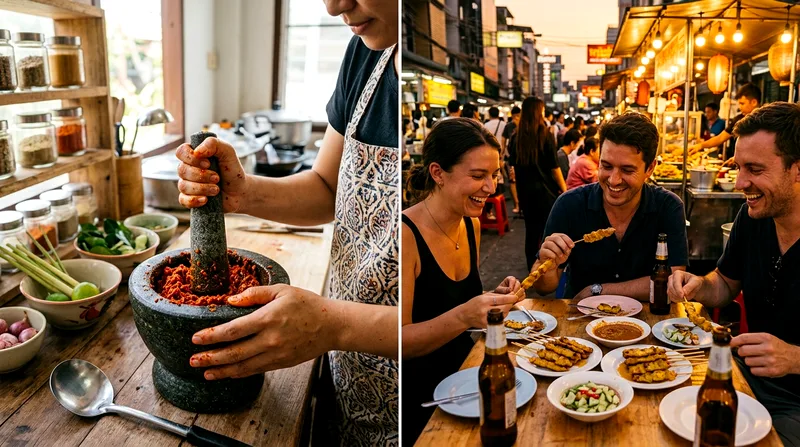
A Ko Samui cooking class is a guided, hands-on session — usually three to six hours — where a Thai instructor walks a small group through four to six classic dishes, from pounding curry paste in a stone mortar to plating the final stir-fry. This isn't a cooking demonstration where you watch someone else do the work. Almost every school on the island, from the ones in Lamai to the kitchens tucked behind guesthouses in Chaweng, builds the class around you doing the chopping, grinding, and wok work yourself.
Expect to leave with a short recipe booklet and a reasonably full stomach — you eat what you cook, dish by dish, rather than at one big sit-down meal at the end. If you've done a cooking class in Chiang Mai or Bangkok before, Samui's version is similar in structure but smaller in scale; the island doesn't have the sprawling cooking school campuses you'll find up north, which actually works in its favor for intimacy.
Class format and duration options
Most schools run two formats: a half-day session (roughly 3-4 hours, covering 3-4 dishes) and a full-day session (5-6 hours, 5-6 dishes plus a market visit). Morning classes tend to start between 9am and 10am; afternoon sessions typically run from around 1pm. Evening classes exist but are less common and usually shorter, aimed at travelers who want something after a beach day. Always confirm start times directly with the school — hours shift seasonally and aren't standardized across operators.
Hands-on learning and skill level
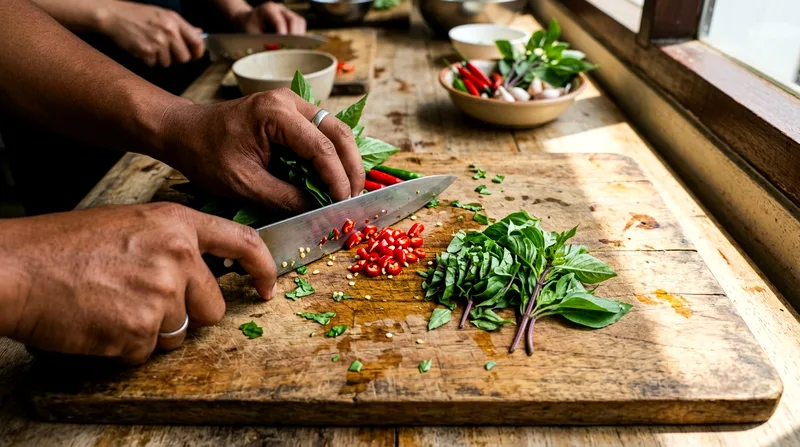
No prior cooking experience is expected or needed. Instructors typically demonstrate a technique — say, the correct way to crush lemongrass for a tom yum paste — then watch each student repeat it at an individual station. Group sizes matter enormously here: in a class of six, you get real correction and attention; in a class of eighteen at a resort-style venue, you're mostly following along and hoping your wok technique doesn't matter much. If hands-on learning is the actual point for you, prioritize class size over price when comparing options.
What's Included and Excluded
Nearly every Ko Samui cooking class price covers the ingredients, use of equipment, a printed or digital recipe set, and the meal itself as you cook it. What varies — and what you should check before paying — is whether transport, a market visit, and drinks are bundled in or charged separately. Some schools include unlimited water and tea; alcohol, if offered, is almost always extra.
Don't assume dietary accommodation is automatic. Vegetarian and vegan substitutions are usually possible — swapping fish sauce or shrimp paste for soy-based alternatives — but you need to flag this when booking, not on arrival. Severe allergies (shellfish, peanuts, specific spices) are harder to manage in a shared class environment where paste bases are often made in bulk for the group, so ask directly how they handle cross-contact if this matters to you.
Ingredients, recipes, and takeaways
Expect to cook staples like green or red curry, pad Thai, tom yum soup, spring rolls, and a stir-fried dish such as pad krapow. Some schools, like Island Organics Samui, lean into ingredients grown on-site or sourced locally, which changes the flavor profile noticeably — herbs picked that morning taste sharper than supermarket equivalents. Recipe booklets are standard; a few schools now send a digital PDF instead of paper, which is more useful once you're home trying to recreate the dishes.
Market visits and transfers
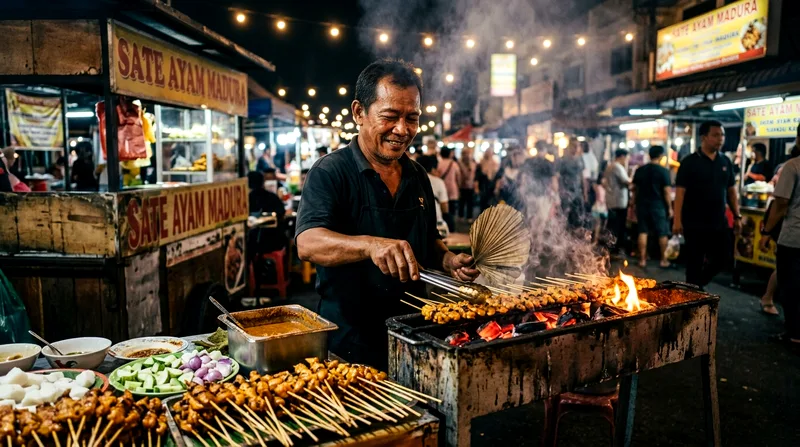
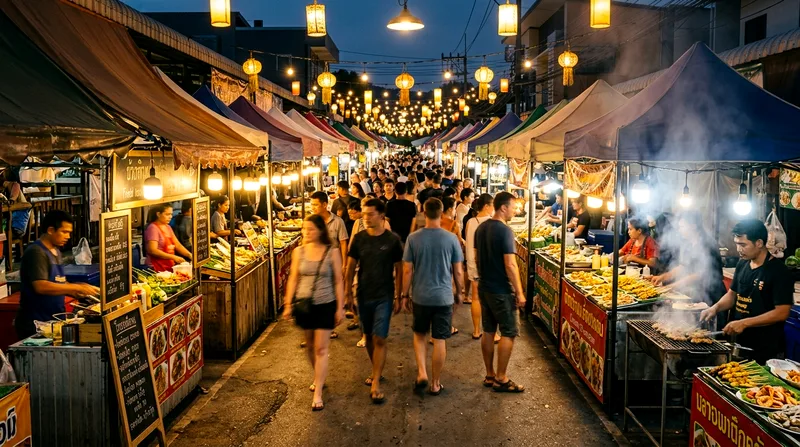
A market visit — usually 30-45 minutes at a local fresh market before class — is the single biggest differentiator in value. Schools that include this, walking you through fresh turmeric, galangal, and bird's eye chilies while explaining what to look for, justify a higher price. Others skip the market entirely and pre-prep everything in-house, which is faster but less memorable. Hotel pickup and drop-off within a reasonable radius of Lamai or Chaweng is commonly included; if you're staying further out — near Bophut or Maenam — confirm whether transfer is free or has a surcharge before booking.
Top Cooking Schools Compared
Ko Samui has a handful of established names reviewed consistently on TripAdvisor and booking platforms: Island Organics Samui, Lamai Thai Cooking, Ying's Thai Cooking Home, Pai Cookery Samui, and Thai Cooking by Su. They differ less in price than in atmosphere, group size, and how much of the experience happens outside the kitchen.
Class size and whether a market visit is included matter more to the experience than the small price differences between schools.
Ko Samui cooking class comparison: group size, market visits, and format
| School Type | Typical Group Size | Market Visit | Duration | Best For |
|---|---|---|---|---|
| Organic-focused school (e.g. Island Organics Samui) | 4-10 | Sometimes, on-site garden instead | Half or full day | Ingredient-curious travelers |
| Small home-style school (e.g. Ying's Thai Cooking Home) | 2-8 | Often included | Half day | Couples, solo travelers |
| Lamai-area cooking school | 6-12 | Often included | Half or full day | Families, small groups |
| Chaweng hotel-adjacent class | 10-18 | Rarely included | Half day | Convenience-focused travelers |
| Private/custom class | 1-4 | Optional add-on | Flexible, 3-6 hrs | Families with young kids, dietary restrictions |
Group sizes and inclusions vary by day and season; confirm directly with the school before booking.
Dishes taught and cuisine focus
Most schools teach a similar core menu — curry paste from scratch, a soup, a stir-fry, a noodle dish, and a dessert like mango sticky rice or banana in coconut milk. Island Organics Samui tends to emphasize ingredient sourcing and organic produce, which shows up in lighter, herb-forward dishes. Smaller home-style operations like Ying's Thai Cooking Home often let you pick 1-2 dishes from a short list rather than following a fixed set menu, which suits travelers who already know Thai food well and want to skip the pad Thai they've made before.
Group size and family options
Group size ranges from private one-on-one sessions up to shared classes of 10-15 people, depending on the school and the day. Smaller setups — Lamai Thai Cooking and Pai Cookery Samui, for instance — tend to cap groups lower, which matters if you're traveling with kids who need more supervision near open flames and hot woks. Ask specifically about minimum age; many schools accept children from around 6-8 years old but expect a parent to handle the hotter stages of cooking for them.
Instructor experience and teaching style
Teaching style varies between strict technique-first instruction and a looser, conversational approach. Thai Cooking by Su is often described in reviews as personable and chatty, good for travelers who want the social side as much as the recipes. Others run a tighter, more structured class closer to a culinary workshop. Neither approach is objectively better — it depends whether you want a relaxed afternoon or to actually retain techniques you'll use at home. Read a handful of recent reviews rather than relying on star ratings alone, since teaching style is subjective and star averages flatten that distinction.
Where and How to Book
Booking a Ko Samui cooking class is straightforward, but where you book affects your flexibility if plans change. You can book directly through a school's own website or by phone/WhatsApp, through a hotel concierge, or via third-party platforms that aggregate reviews and availability, including listings referenced on TripAdvisor. Direct booking often gives you more room to negotiate dietary needs or group size; third-party platforms are easier to compare at a glance and usually show more recent reviews side by side.
Official booking channels
If a school has its own website, book there for the clearest confirmation of what's included — ingredients, market visit, transfer. Hotel concierges in Chaweng and Lamai can also arrange bookings, sometimes with a small markup for convenience. Always get a written or emailed confirmation showing the date, pickup time, and dishes covered, since verbal arrangements made through a front desk can get lost in translation. Before paying anything, compare current prices and class options when booking — availability shifts daily, especially in high season (December-March).
Cancellation and flexibility policies
Cancellation policies vary by operator and aren't standardized island-wide, so read the fine print before paying a deposit. Many smaller schools ask for 24-48 hours' notice for a full refund; some require payment only on the day, which is lower-risk if your schedule is uncertain. Weather is a real factor — heavy rain during the wet season (roughly October-December) can affect market visits or outdoor cooking stations, so ask what happens if a class needs to move indoors or reschedule.
Is It Worth It by Traveler Type?
A Thai cooking class in Koh Samui is one of the few activities on the island that works well regardless of who you're traveling with — but the right class differs a lot by group type. Compared to Phuket or Pattaya, where cooking schools can feel more commercial and tour-bus-heavy, Samui's smaller island scale keeps most classes closer to a home-kitchen feel, especially outside the big Chaweng hotel strip.
Solo travelers and couples
Solo travelers get real social value from a shared class of 6-10 people — it's one of the easier ways to meet other travelers on Samui without forcing it at a bar. Couples should look at smaller home-style schools like Ying's Thai Cooking Home for a more intimate pace, rather than a large class where you're paired with strangers at a shared station. If you've already done a cooking class in Chiang Mai or Koh Phangan, Samui's version won't feel dramatically different — book it for the specific school's reputation, not novelty.
Families and groups
Families with kids aged roughly 8 and up tend to do well in classes capped under 10 people, where instructors can actually supervise a child near a hot wok. Ask about a private or semi-private booking if you have children under 8 or picky eaters — most schools will accommodate this for a higher per-person rate. Larger groups (8+ adults) should request a private session outright rather than booking into a shared class, since scheduling a big group alongside strangers rarely works smoothly and often slows the pace for everyone.
Frequently asked questions
How much does a cooking class cost on Ko Samui?
Published prices for a Ko Samui cooking class price typically range from around 1,000 to 2,500 THB per person for a half-day group class, with full-day classes and private sessions costing more. Prices change by school and season, so always confirm the current rate on the official booking page before paying a deposit.
What is included in a Thai cooking class?
Standard inclusions are ingredients, cooking equipment, a recipe booklet, and the meal you cook during the session. Market visits, hotel transfers, and drinks beyond water or tea vary by school — some bundle them in, others charge extra or skip them entirely, so check the listing details before booking.
Do cooking classes include hotel transfers and market visits?
Many do, especially schools based in Lamai and Chaweng, but it's not universal. Market visits (30-45 minutes at a local fresh market) are common in half- and full-day classes but occasionally replaced with an on-site garden tour. Confirm transfer radius if you're staying outside the main tourist strips, like Bophut or Maenam.
What is the typical class size and duration?
Group classes usually run 4-12 people, though some hotel-style venues go up to 18. Duration is typically 3-4 hours for a half-day class covering 3-4 dishes, or 5-6 hours for a full-day class with 5-6 dishes and a market visit.
Can I book a private or family cooking class?
Yes — most established schools, including smaller home-style operations, offer private or semi-private bookings for an extra fee per person. This is worth it for families with young children, large groups, or anyone with significant dietary restrictions that are hard to manage in a shared class.