Compare Ko Samui scuba diving tours, PADI courses, and top dive sites. Honest guide to dive schools, beginner options, and booking tips.
Who Scuba Diving in Ko Samui Suits
Ko Samui scuba diving works best as an add-on to a beach holiday rather than the sole reason to pick the island. The nearest serious dive sites sit roughly 45 to 90 minutes away by boat, around Koh Tao and the open-water pinnacles of the Gulf of Thailand, so you're committing to a full day on the water rather than a quick morning dip. That suits couples and families who want one or two dive days mixed with snorkeling, spa time, and Chaweng nightlife, and it suits solo travelers doing a wider Thailand loop who'd rather not detour to Koh Tao itself.
It's less suited to divers chasing maximum bottom time on a tight schedule. If diving is the main event of your trip, Koh Tao — a 90-minute to 3-hour ferry from Samui depending on route — has a far denser concentration of dive shops, shorter boat rides to sites, and generally lower course prices because competition among schools is fiercer there. Phuket and the Similan Islands, further south, offer a different style of diving entirely: more dramatic granite boulder topography and better odds of larger pelagics, but a much longer transfer from Samui, often requiring a flight.
Beginners and first-time divers
If you've never put your face in a mask with a regulator, Ko Samui is a perfectly reasonable place to try a Discover Scuba session or start an Open Water course. Visibility in the Gulf of Thailand typically runs 10-20 meters, less impressive than the Andaman Sea around Phuket or Krabi, but calm, shallow bays near Koh Tao and the inner islands of Ang Thong Marine National Park give new divers forgiving conditions to practice buoyancy and skills. Expect your first open-water dives to be shallow, between 5 and 12 meters, with an instructor close by the whole time.
Experienced divers seeking new sites
Certified divers with 20+ logged dives will want to push past the easy bays toward Sail Rock (Hin Bai) and Chumphon Pinnacle, both reachable on day trips from Samui. These sites have current, depth ranges to 30 meters, and a genuine chance of whale sharks between February and April — not guaranteed, but documented often enough that it's worth asking your dive school about recent sightings before you commit to a trip.
Dive Tour Types: Day Trips vs Liveaboards
Two broad formats dominate Ko Samui scuba diving bookings: the single-day boat trip and the multi-day liveaboard. They suit different budgets, time windows, and tolerance for life on a boat.
Day trips suit casual divers on a beach holiday, while liveaboards suit anyone prioritizing dive volume over convenience.
Ko Samui scuba diving tour types compared: duration, cost range, and who they suit
| Tour Type | Typical Duration | Best For | Dives Included | Key Trade-off |
|---|---|---|---|---|
| Discover Scuba (trial dive) | Half day | First-timers, kids 10+ | 1-2 shallow dives | No certification, instructor stays close |
| PADI Open Water course | 3-4 days | Beginners wanting certification | 4 open-water dives | Multi-day time commitment |
| Day boat trip (certified divers) | Full day | Couples, families, casual divers | 2 dives | Long boat transfer eats into day |
| Advanced Open Water course | 2 days | Certified divers wanting depth/skills | 5 dives | Requires existing Open Water cert |
| Liveaboard (Koh Tao/Chumphon based) | 2-4 nights | Dedicated divers wanting volume | 3-4 dives/day | Shared cabin, seasickness risk, departs away from Samui |
Typical figures based on standard PADI course structures and common regional practice; confirm current duration, inclusions, and prices before booking.
Day boat tours from Ko Samui
A typical day trip leaves early morning, around 7-8am, and returns by late afternoon. You'll usually get two dives, a cooked lunch on board, and all rental gear included in the price. These trips head to Koh Tao's surrounding sites or Sail Rock, with transfer time eating into the middle of the day — expect 1.5 to 3 hours of boat travel round trip depending on the site. This format suits anyone staying in a Samui resort who wants to dive without packing an overnight bag, and it's the obvious choice for families or couples fitting diving around other holiday plans.
Liveaboard multi-day expeditions
Liveaboard diving ko samui options typically run 2 to 4 nights and usually depart from Koh Tao or Chumphon rather than Samui itself, meaning you'll take a transfer first. You sleep aboard, dive 3-4 times a day, and reach sites that day boats can't cover in the available hours. It's the better format for experienced divers who want volume — more dives per day, less time wasted on transfers — but it's a poor fit for anyone unsure about seasickness or sharing tight cabin space for several nights. If open-ocean liveaboards further south interest you, the Similan Islands circuit out of Phuket or Khao Lak is the bigger-name alternative, with more dramatic topography than anything reachable from Samui.
Top Dive Sites Reachable from Ko Samui
The best dive sites ko samui trips actually visit aren't around Samui itself — the island's own fringing reef is patchy and heavily affected by boat traffic and runoff near the main beaches. Operators run you out to Koh Tao, Nang Yuan Island, Sail Rock, or into Ang Thong Marine National Park instead, and which one you get depends on season, sea conditions, and your certification level.
Shallow reefs for beginners
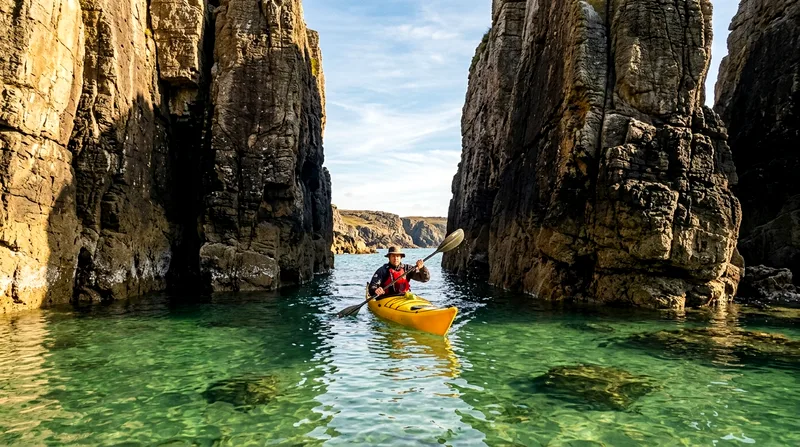
Nang Yuan Island, just off Koh Tao, has shallow coral gardens in the 5-12 meter range with good visibility most of the year, ideal for Discover Scuba dives and Open Water training dives. Ang Thong Marine National Park offers similarly gentle conditions plus the option to combine diving with kayaking and the limestone scenery the park is known for — a good pick for families where one person dives and others snorkel or hike.
Deep sites for advanced divers
Chumphon Pinnacle drops to around 36 meters and regularly draws larger fish — trevally schools, occasional bull sharks reported by local operators, and the aforementioned whale shark possibility in early spring. Sail Rock is known for its vertical swim-through chimney, a highlight for divers with Advanced Open Water certification and decent buoyancy control. Both sites can have noticeable current, so they're not the place to attempt your first deep dive.
PADI Courses and Certification Costs
Most dive schools operating out of Ko Samui are PADI-affiliated, and course structures follow the standard global framework, so quality differences come down to instructor ratios, boat comfort, and how many students get crammed into one class.
Open Water and Advanced certifications
A PADI Open Water course runs 3 to 4 days, combining classroom or e-learning theory, confined-water pool sessions, and four open-water dives. Ko samui padi course price typically falls in a similar bracket to the rest of Thailand, though Koh Tao schools often undercut Samui prices slightly due to sheer volume of competition — ask schools directly and compare live quotes rather than assuming Samui is cheaper or pricier. The Advanced Open Water course takes 2 days and 5 dives, letting you push to 30 meters and try specialties like deep diving and navigation within the course itself.
Specialty courses and refresher training
If you're certified but haven't dived in a year or more, book a Scuba Review or Refresher session — usually a half-day with a pool run-through before you're cleared for open water again. Specialty courses worth considering locally include Nitrox (extends no-decompression limits) and Underwater Photography, both commonly offered as add-ons by Samui-based schools heading out to Sail Rock.
What to Look for When Booking a Dive Tour
Not all dive operators are equal, even when they're all flying a PADI flag. The certification agency sets training standards, but how a school applies them — group size, boat condition, how they handle a cancelled trip — varies a lot.
Group size, equipment, and inclusions
Ask about the instructor-to-student ratio before booking. PADI's maximum for Open Water training dives is typically 1 instructor to 8 students, but a ratio of 1:4 or lower gives you noticeably more attention, which matters if you're nervous underwater. Check whether rental gear (BCD, regulator, wetsuit, mask, fins) is included in the quoted price or charged separately — it usually is included for courses, less consistently for day trips for already-certified divers. Confirm boat type too: a larger dedicated dive boat with marked exits and oxygen on board beats a repurposed longtail with no shade.
Safety record and cancellation policy
Read recent reviews specifically for safety commentary, not just "great trip" comments — look for mentions of pre-dive briefings, equipment checks, and how the crew responded to choppy conditions. Ask what happens if a trip is cancelled for weather: a reputable operator will reschedule or refund rather than push you out in unsafe swell. If you have any medical conditions — asthma, recent surgery, ear problems — declare them on the medical form honestly; a decent school will ask you to get a doctor's sign-off rather than wave it through, and that's a good sign, not an inconvenience.
Best Time to Book Your Dive Adventure
The Gulf of Thailand, where Samui sits, runs on a different weather pattern than the Andaman coast around Phuket and Krabi. The best diving window is roughly March through September, with calmer seas and visibility often exceeding 15 meters around Koh Tao and Sail Rock. October through December brings the northeast monsoon to this side of Thailand — rain and swell pick up, and some day trips get cancelled or rerouted to more sheltered sites.
This is the inverse of Phuket's pattern, where the Andaman side gets its rough season from May to October — worth remembering if you're deciding between a Samui-based trip and a Similan Islands liveaboard out of Phuket, since you can sometimes chase good conditions on one coast while the other is rough. February to April is peak whale shark season at Chumphon Pinnacle and Sail Rock, so if that's your goal, book your dive days early in your trip in case the first attempt gets blown out and you need a second try. Compare current dive tours and prices before you book, since schedules shift seasonally and good schools fill up during the March-September high season.
Planning around monsoon shifts
If your travel dates fall in October or November, build in flexibility — add a buffer day or two rather than booking a single dive day with no backup, since a cancelled trip due to swell can otherwise mean missing diving altogether on a short visit.
Frequently asked questions
Do I need certification to scuba dive in Ko Samui?
No — a Discover Scuba Diving session lets uncertified beginners dive under close instructor supervision, typically to around 12 meters, with no prior experience needed. If you want to dive independently to greater depths or without an instructor hovering beside you, you'll need a PADI Open Water certification, which takes 3-4 days to complete.
What is the cost of a PADI Open Water course?
Prices vary by school and season, and change often enough that quoting a fixed figure here would be misleading. As a general pattern, Koh Tao schools tend to price slightly lower than Samui-based ones due to heavier competition on that island. Always compare at least two or three live quotes, including what's covered (manual, certification card fees, gear rental, meals on the boat) before booking.
What marine life will I see diving in Ko Samui?
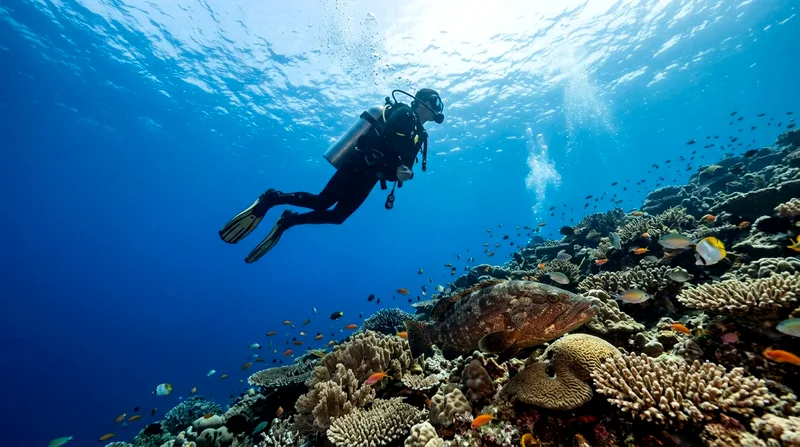
Expect reef fish like parrotfish, fusiliers, and angelfish on the shallower sites around Nang Yuan and Ang Thong, plus trevally schools and occasional reef sharks at deeper pinnacles like Chumphon and Sail Rock. Whale sharks show up at these deeper sites most reliably between February and April, though sightings are never guaranteed on any given day.
Is Ko Samui good for beginner divers?
Yes, with a caveat — Samui itself isn't where the good diving happens, so beginners should expect a boat transfer of 1-2 hours to reach training sites near Koh Tao or inside Ang Thong Marine National Park. Conditions there are calm and shallow, well suited to first dives, but don't expect to dive right off a Samui beach.
When is the best season for diving in Ko Samui?
March through September generally offers the calmest seas and best visibility in the Gulf of Thailand. October to December brings the northeast monsoon, with rougher water and a higher chance of trip cancellations, so build flexibility into your schedule if you're diving during those months.